Basmati rice is renowned for its extra long grains, light and fragrant smell and fluffy texture when cooked, making it a popular choice around the world. International importers, distributors and retail chains will have to seek the assistance of Basmati Rice Suppliers in India who are reliable and can meet the international food safety and food quality standards in order to source this premium grain. This blog discusses the key factors to take into account when sourcing high quality Basmati rice, assessing bulk suppliers and finding ways to simplify international trade.
What Defines Premium Basmati Rice Sourcing?
Basmati Rice is a particular geographical indication (GI) tag rice grown mostly in the fertile foothills of the Himalayas in northern India. The sourcing of Basmati rice is also authentic as it is ensured to verify the grain purity, strict aging and processing standards. Premium varieties are characterized by their elongation after cooking, very little or no breath-wise swelling and its distinct natural aroma. The use of certified exporters guarantees that the buyer will get true and unaltered shipments, which will meet the pesticide residue and grain standards requirements for the destination country.
Key Criteria for Evaluating Wholesale Rice Exporters
Advanced Processing Infrastructure
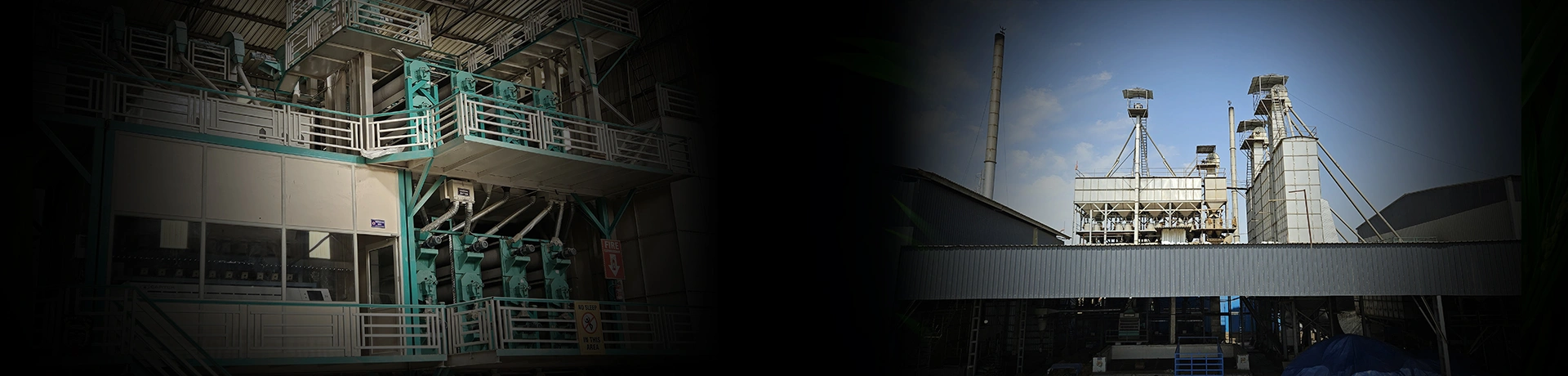
Contemporary rice processing requires the use of the latest technologies and equipment to ensure the integrity of the grains. Best exporters use totally automatic multi-stage processing lines, which contain laser color sortex machine, de-husker machine and accurate grading machine. Sorting eliminates foreign material, discolored grains and broken kernels, ensuring 100% purity and consistent grain length in bulk packages.
Stringent Quality Certifications
International trade needs to adhere to stringent global food security standards. The Reliable Basmati Rice Suppliers in India are certified by third-party organizations like ISO 22000, FSSAI and have APEDA registration. These certifications validate the processing, hygienic handling and packaging procedures follow international hazardous analysis and critical control point (HACCP) standards.
Navigating Export Logistics and Quality Control
Water Management and Aging
Texture, aroma, and lack of stickiness when cooking are improved through proper aging, which is normally a period of 12 to 24 months depending on the grade. In addition, the moisture content of less than 12-13% will not allow fungal growth and insect infestation during long sea voyages.
Comprehensive Export Documentation
To ensure smooth customs clearance, all paperwork, such as Certificates of Origin, Phytosanitary Certificates, Fumigation Certificates and Inspection Reports by third party surveyors such as SGS or Bureau Veritas are required.
Summing Up
Sourcing premium Basmati rice for the international distribution requires choosing the partners committed to the authentic aging and strict regulatory compliance. By checking processing capacity, certifications and the packaging flexibility, global buyers can get reliable supply chains. Trusted Basmati Rice Suppliers in India like Badri Agro Ventures Pvt. Ltd. ensure that every shipment delivers a superior taste, pure aroma and uncompromising quality to global markets.
FAQs
How is rice protected from pests during ocean shipment?
Cargo containers undergo the professional fumigation and moisture testing prior to overseas vessel loading.
What is the difference between Parboiled and Steam Basmati rice?
Parboiled rice undergoes paddy soaking, whereas the steam rice is treated with steam before milling.
Why is APEDA registration critical for Indian exporters?
APEDA registration validates the exporter's compliance with the official Indian agricultural export guide lines.
How is broken grain percentage measured in the export grades?
Grading machines measure the broken grains by the weight to guarantee the contractually specified limits of purity.