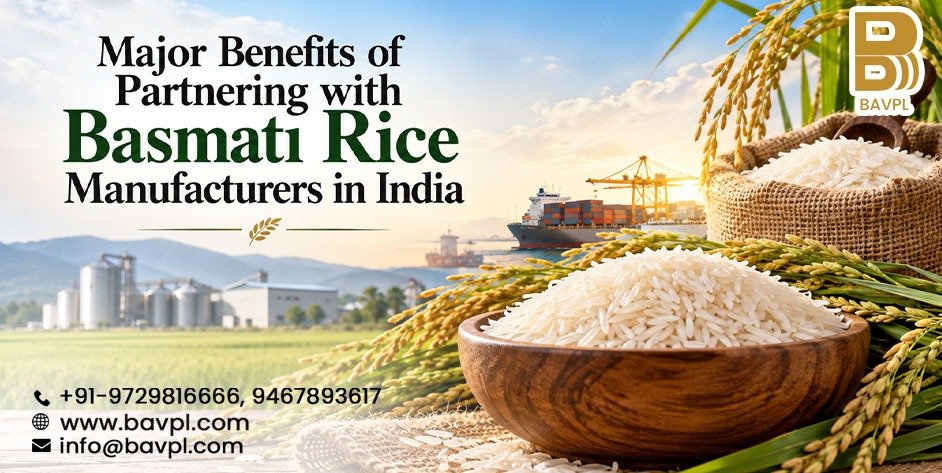
The global demand for the premium quality rice keeps growing. People around the world are looking for taste and better health benefits in their food. Grain aromatic rice, especially Basmati rice is in high demand. India leads the world in producing this kind of rice. It supplies countries with top-quality varieties. For food distributors, supermarkets, export companies and online sellers buying directly from trusted Basmati Rice Manufacturers in India has become a choice. This helps build customer trust and increases profit margins. This blog looks at the benefits of long term partnerships with rice producers and how they help businesses grow.
Understanding Basmati Rice Manufacturing in India
Basmati rice is known for its grains, strong fragrance, soft texture when cooked and light flavor. It grows best in the soil of the Indo Gangetic plains. The process of the growing and processing this rice is complex. It starts with farming. Ends with careful packaging. Every step is designed to deliver the possible quality.
What Sets Indian Basmati Rice Production Apart?
Indian producers mix farming methods with the new technology. This combination gives them the edge. Key elements include:
• Natural Aging Practices: Paddy is stored for months. This reduces moisture. It helps the grains grow longer and stay non sticky after the cooking.
• Advanced Processing Technology: Plants use automated systems. They clean the rice, sort and grade the rice. This takes away the impurities.
• Quality Certifications: Producers follow the standards like ISO 22000 FSSAI and the APEDA. These make sure there is the safety of the food.
By managing every stage—from the farm to the package—manufacturers make sure each batch is pure long-lasting and safe to eat.
Unmatched Quality Control and Advanced Milling Infrastructure
High-Capacity Automated Processing
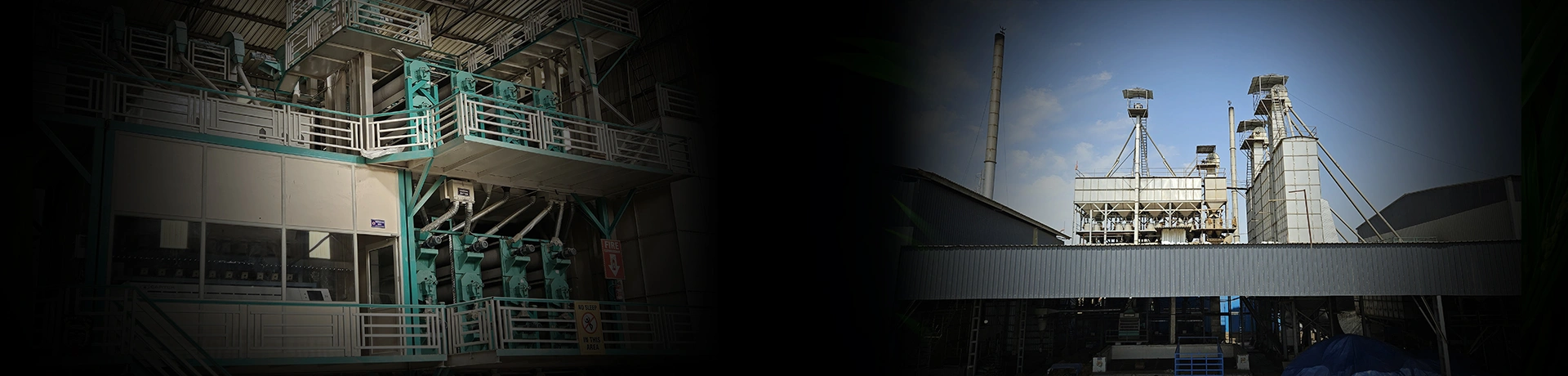
Working with producers means access to powerful milling setups. Modern plants have daily processing limits. They use machines for destoning, husking, polishing and grading. These machines work fast and accurately.
• Sortex Cleaning Technology: This uses scanners. Each grain is checked. Broken, dirty grains are removed.
• Chemical Free Processing: Leading producers avoid the chemicals. They use aging and polishing. This keeps the rice’s smell and the nutrients intact.
• Consistency in Every Batch: Machines do the work. This removes error. Every shipment has the grain size, length and texture.
Adherence to Global Quality Standards
Top Basmati Rice Manufacturers in India follow rules. They meet food safety standards. Importers get compliance with the sanitary guidelines. They also get guaranteed limits on pesticide levels. Reliable quality certificates help avoid shipment rejections at borders.
Customized Supply Chain and Private Labeling Solutions
Flexible Packaging and Private Labeling
Retailers and importers want branding. They need to stand out in markets. Indian producers offer the private labeling help. This includes custom bag designs and protective packaging. Buyers can choose from formats. Options include Non Woven bags, BOPP, HDPE and special retail pouches. All are made to keep rice fresh during sea journeys.
Efficient Global Export and Logistics
Major producers have export networks. They know how to move goods across borders. They handle trade documents, customs rules and port logistics. This means delays. Partners get stock on shelves. They also avoid shortages that can hurt the sales.
Summing up
Partnering with trusted Basmati Rice Manufacturers in India gives businesses a base. This base includes quality, flexible OEM options and smart supply chain management. From automated processing to export rules Indian suppliers make sure every shipment is pure and authentic. To grow your brand and get the rice work with leaders like Badri Agro Ventures Pvt. Ltd.