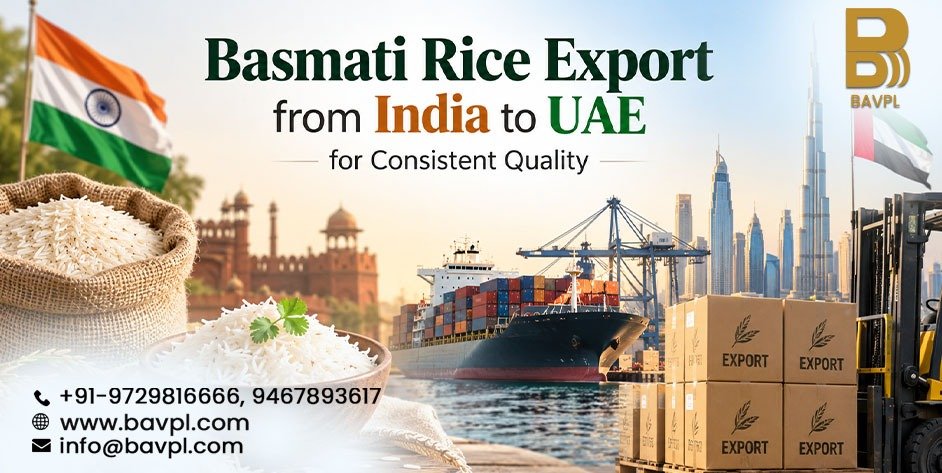
Indian Basmati rice is a culinary component that elicits a greater number of respects and admiration in the world culinary scene than any other ingredient. The Queen of Fragrance, as it is commonly known, is an unmatched aroma in its long, slender grains, and has become a household in the finest kitchens of the Middle East to North America. Nevertheless, with the global demand booming, finding Basmati Rice Exporters in India, who can be able to provide the authenticity and quality consistently has now become the priority of the distributors globally.
In this blog, we are going to explain the main features of the Indian Basmati rice, the strict rules that are pursued by the leading exporters, and how to find a partner with whom your supply chain will be smooth and reliable.
The Rising Power of Basmati Rice Exporters in India.
India is the main sourcing location in the world as it produces more than 70% of the Basmati rice globally. Basmati Rice Exporters are the crucial connection between fertile Indo-Gangetic plains and the world. Such exporters do not merely ship grain, they also handle a more complicated procedure of aging, milling, and quality testing of the grain so that the rice is not deprived of its geographical indication (GI) status and distinctive sensory attributes.
Why Does an Exporter Qualify as Reliable in the Global Export?
International trade is a complex issue that entails dealing with regulations, food safety and logistics. One of the numerous Basmati Rice Exporters in India can be a reliable partner, which is characterized by the infrastructure and adherence to the international standards.
1. State of the Art Processing and Infrastructure.
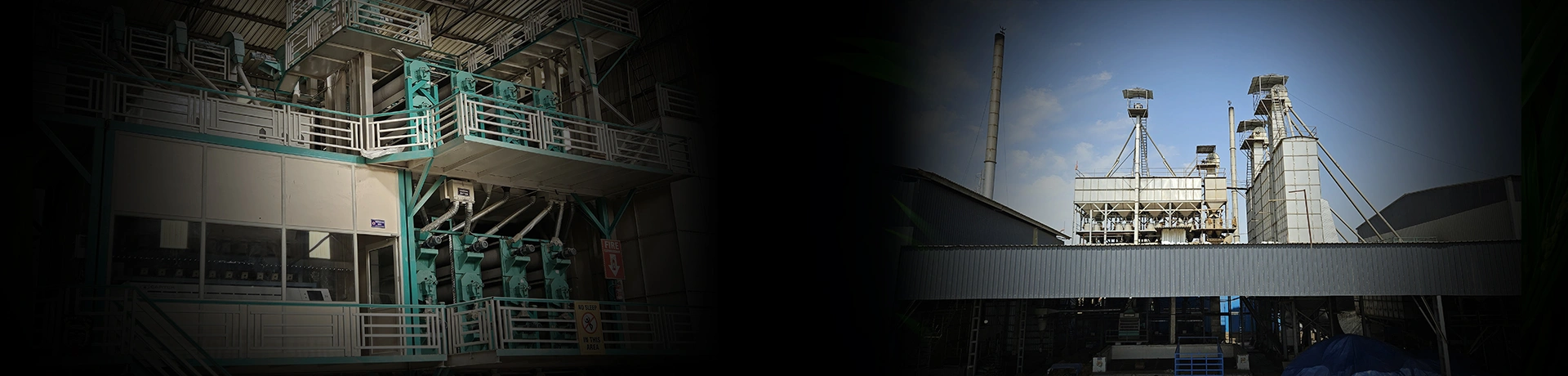
The reliability begins at the mill. Contemporary exporters use completely automated grading and sorting machines (Sortex) to make sure that no bag contains impurities, broken grains and discoloration. It is this accuracy that enables Indian rice to be sold at the high aesthetic point of luxury supermarkets and five star hotels.
2. Certification and Compliance.
Rice should be of high quality in terms of chemical and hygienic standards in order to penetrate such markets as the EU, USA or Saudi Arabia. India Trusted Basmati Rice Exporters have certifications like:
• ISO 22000: In food safety management.
HACCP: To make sure that biological, chemical, and physical hazards are managed.
• FSSAI & APEDA: Indian registrations which are obligatory and demonstrating that the exporter is a government-recognized entity.
3. Strategic Aging Processes
Other rice varieties have a tendency to age, whereas Basmati is a fine wine as it gets better with age. Paddy is kept in stock by professional exporters between 12 and 24 months of time. This drying out process helps to add moisture, increase the aroma and makes sure that the grains do not stick together during cooking.
Why the World is Demanding Indian Basmati
The Basmati rice market in the world remains to expand at a CAGR of more than 12 in the year 2026. This is supported by the fact that there is a health-conscious world population seeking smarter carbs. Basmati boasts of a low to medium Glycemic Index (GI) and therefore it is a favorite ingredient among individuals who need to control their blood sugar levels without losing their taste. The top Basmati Rice Exporters in India are also considering the pesticides-free and organic varieties to satisfy the need of the European and North American health sectors.
Conclusion
The right partner in a choice of thousands of Basmati Rice Exporters in India is what lies between one time transaction and a long time successful business. Badri Agro Ventures is such an example; they were formed in 2024, but they have the support of 30 years of experience; they embody culture and care in Karnal, Haryana. The collaboration with these committed exporters would help to deliver the "Scented Pearl" of India to your customers in its most ideal, responsibly-processed version.